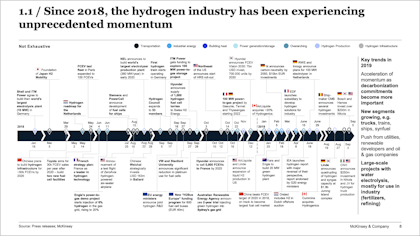
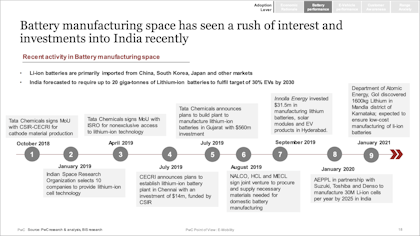
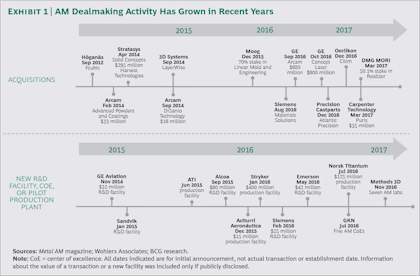
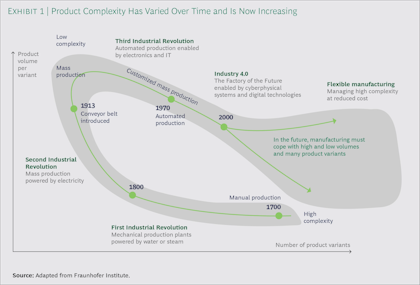
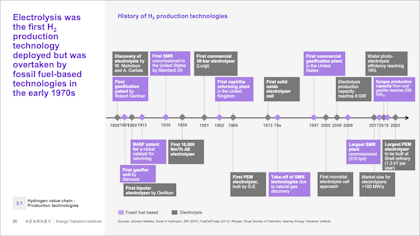
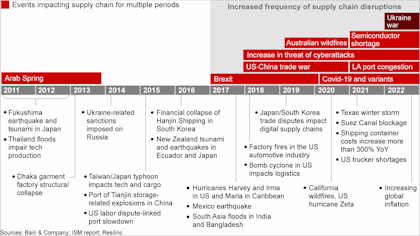
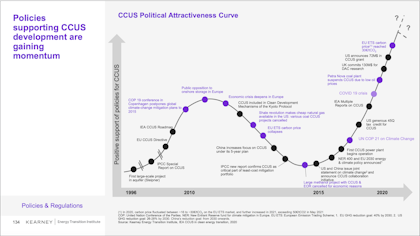
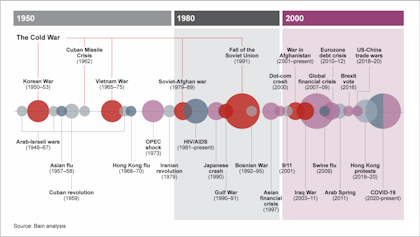
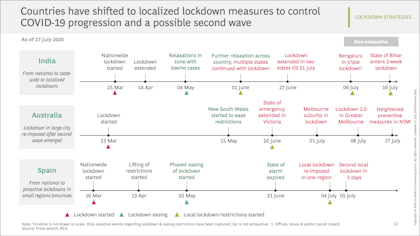
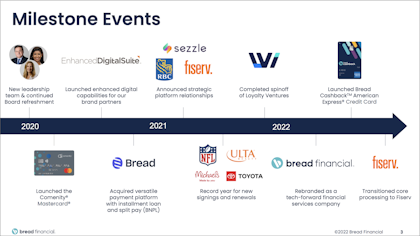
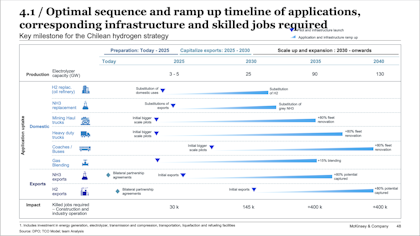
Timeline slides frequently appear in strategy and consulting presentations, but their layout and levels of detail can vary greatly. In this brief post, you'll find a few tips and tricks and a range of examples of timeline slides created by top strategy firms like McKinsey, BCG, and Bain.
What is a timeline slide?
A timeline slide is a visual representation designed to outline a series of key events, milestones, or project phases chronologically. These slides help audiences quickly understand the progression, dependencies, and timing of activities or events.
By depicting information along a linear, date-oriented path, a timeline slide makes it easier to identify when specific steps occur and how various components fit together. This clarity can help you communicate complex narratives.
Common Use Cases:
- Showcasing company growth and key achievements
- Illustrating mergers, acquisitions, and organizational changes
- Mapping out implementation phases of new initiatives
- Demonstrating the evolution of a product
- Breaking down historical events and their connections
Best practice timeline slides
As you can see from the examples at the end of this post, there are very few rules for creating timeline slides. That being said, try and avoid...
- Overcrowding the slide with too many details
- Using inconsistent time scales
- Making the timeline too linear when activities happen in parallel
- Including tactical details better suited for roadmaps or project management tools
Roadmap slides vs. timeline slides
Although both timelines and roadmaps are visual tools you'll often see in presentations and strategy discussions, they're not the same. They have different goals and share information in different ways.
A roadmap slide typically presents a broader, less granular plan that visualizes the steps toward achieving a long-term vision or goal. It helps clarify both the "how" and "when" of strategic objectives, often grouping them into phases or initiatives to convey priorities and dependencies.
Conversely, a timeline slide usually provides a more straightforward, chronological representation of key events or milestones. Its primary focus is on when certain things happened—or will happen—without necessarily detailing the underlying strategies or how these points connect to a larger vision. In short, the timeline emphasizes dates and sequence, while the roadmap focuses on the broader strategic journey.
Timeline slide templates
Crafting great timeline slides takes time. Having a library of robust and flexible templates can speed up the process.
The Slideworks' Consulting Toolkit Template' for PowerPoint contains a range of 'consulting-style' timeline slides, providing a shortcut if you don't want to reinvent the wheel.
Examples of consulting timeline slides